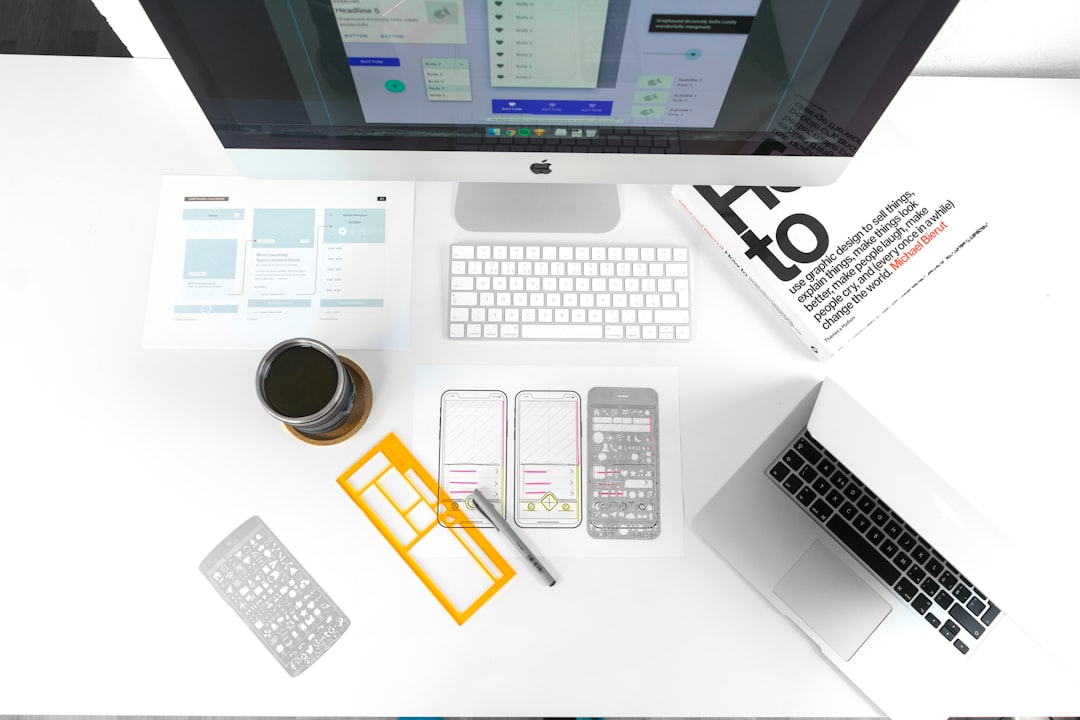
Innovative Approaches to Elevate Web App User Interfaces
Modern UI Design Ideas for Web Apps: Elevating User Experience
In today’s fast-paced digital landscape, the success of a web application hinges significantly on its user interface (UI) design. Modern UI design principles are not just about aesthetic appeal but focus equally on usability, accessibility, and performance. For IT professionals and businesses developing web apps, incorporating contemporary UI design ideas can dramatically improve user engagement and satisfaction.
Why Modern UI Design Matters for Web Apps
Effective UI design enhances the ease with which users interact with an application. It directly impacts user retention, task completion rates, and overall satisfaction. Modern UI trends emphasize minimalism, intuitive navigation, rapid responsiveness, and inclusivity. These elements ensure that users can achieve their goals seamlessly across different devices and contexts.
Key Modern UI Design Ideas for Web Applications
1. Embrace Minimalism with Purposeful Layouts
Minimalistic design remains a dominant trend in web apps, emphasizing simplicity and clarity. Avoiding clutter and unnecessary elements helps users focus on core functionalities, improving overall usability.
- Whitespace Utilization: Wisely incorporate whitespace to create breathing room and reduce cognitive overload.
- Essential Elements Only: Prioritize content and features that serve user goals, eliminating distractions.
- Consistent Grid Systems: Employ a grid layout to maintain alignment and balance, providing a harmonious visual structure.
2. Dark Mode Integration
Dark mode has gained widespread popularity due to its reduced eye strain and aesthetic appeal. Providing a dark mode option enhances accessibility and user comfort, especially during extended use or low-light environments.
- Implement smooth toggling between light and dark themes.
- Use color contrast ratios that comply with accessibility standards to maintain readability.
- Design dark mode specifically; avoid simply inverting colors to ensure visual quality and clarity.
3. Microinteractions for Enhanced Engagement
Microinteractions are subtle animations or responses within the UI that provide feedback or signify changes—contributing to a more dynamic and engaging experience.
- Button hover effects or clicks that confirm user actions.
- Loading indicators that keep users informed about progress politely.
- Animated feedback when form submissions succeed or fail.
4. Responsive and Adaptive Design
Modern web apps must function flawlessly across a variety of devices and screen sizes. Responsive design ensures the UI dynamically adjusts layout and elements, while adaptive design may serve different layouts depending on specific device criteria.
- Use flexible grids, images, and media queries for smart scaling.
- Prioritize mobile-first design to accommodate the majority of users.
- Optimize touch targets for mobile usability.
5. Use of Neumorphism and Glassmorphism
Emerging visual styles like neumorphism and glassmorphism blend modern aesthetics with intuitive interaction cues:
- Neumorphism: Combines background colors, shapes, gradients, and shadows to emulate soft, extruded plastic appearance. It creates an impression of tactile depth but should be used sparingly to maintain accessibility.
- Glassmorphism: Characterized by translucent surfaces and frosted glass effects, this style adds sophistication and layering to interfaces, improving focus on foreground elements.
6. Typography with Hierarchical Clarity
Typography is a fundamental part of UI design that influences readability, hierarchy, and overall brand tone. Modern web apps employ clear typographic scales and styles to guide users effectively through the content.
- Use scalable fonts that adapt well on different screens.
- Choose sans-serif fonts for clean and contemporary appearance.
- Implement distinct typographic hierarchy with varied sizes, weights, and colors to differentiate headings, subheadings, and body text.
7. Accessibility-First Approach
Incorporating accessibility from the outset ensures that web apps are usable by people with diverse abilities, thereby broadening the user base and complying with legal standards.
- Follow WCAG guidelines for contrast, keyboard navigation, and screen reader support.
- Provide alternative text for images and meaningful labels for interactive elements.
- Design forms and controls with clear error states and recovery suggestions.
Best Practices for Implementing Modern UI Design
Integrating modern UI design ideas into web applications requires more than just following trends. Here are some best practices to consider:
- User-Centered Design: Conduct user research and usability testing to tailor the UI towards actual user needs and pain points.
- Performance Optimization: Ensure UI elements do not degrade application speed, optimizing images, scripts, and code efficiency.
- Consistent UI Components: Use design systems or component libraries to maintain consistency and streamline development.
- Iterative Enhancement: Continuously improve the UI based on analytics and user feedback post-launch.
Conclusion
The digital advertising landscape in 2025 will be shaped by a powerful convergence of advanced technologies, heightened privacy expectations, and evolving consumer behaviours. AI-driven personalisation, programmatic advertising, immersive AR/VR experiences, ethical data practices, and purpose-driven messaging are no longer optional—they are essential pillars of successful digital strategies. To remain competitive, businesses must partner with experts who not only understand these trends but can implement them effectively and responsibly.
Levox, a forward-thinking digital marketing company, enables businesses to connect with their audiences more meaningfully across channels. The company’s strong emphasis on privacy-first marketing, first-party data utilisation, and transparent ad practices ensures compliance while building long-term consumer trust.
In 2025, success in digital advertising will depend on agility, innovation, and strategic execution. Partnering with an experienced agency like Levox can provide businesses with the expertise and tools needed to adapt, scale, and thrive in the next generation of digital marketing.
FAQs
1. What are the key digital advertising trends in 2025?
AI personalization, programmatic ads, privacy-first marketing, video dominance, immersive AR/VR, and voice-based advertising.
2. How does Levox help businesses adapt to 2025 advertising trends?
Levox uses AI, data-driven strategies, and innovative ad formats to create future-ready digital campaigns.
3. Does Levox offer AI-driven digital marketing solutions?
Yes, Levox applies AI for audience targeting, ad optimization, and personalized marketing experiences.
4. How does Levox manage privacy-focused advertising?
Levox prioritizes first-party data, consent management, and privacy-compliant ad strategies.
5. Can Levox handle programmatic advertising campaigns?
Yes, Levox plans, executes, and optimizes programmatic campaigns for better performance and transparency.
6. Does Levox provide video advertising services?
Yes, including short-form videos, shoppable ads, and performance-driven video campaigns.
7. Can Levox help with voice search and audio advertising?
Yes, Levox optimizes for voice search and runs targeted audio and podcast ad campaigns.
8. Does Levox support immersive advertising like AR and VR?
Yes, Levox integrates AR and immersive digital experiences to boost engagement.
9. How does Levox ensure measurable results from digital ads?
Through real-time analytics, AI optimization, and continuous performance tracking.
10. Why choose Levox as a digital marketing partner in 2025?
Because Levox combines innovation, compliance, creativity, and measurable growth.
